Ducted or split system? Choosing reverse-cycle air conditioning for a Victorian home
Most Victorian homes that want both heating and cooling end up choosing between two kinds of reverse-cycle air conditioning: a ducted system that serves the whole house from one outdoor unit, or one or more wall-mounted split systems. Both use the same heat-pump technology. The right choice depends on how you live in the house, how it’s built, and how much you want to spend upfront.
The short version
- Split systems suit homes where you mainly heat and cool one or two living areas, renters’ budgets, apartments, and houses without roof space.
- Ducted systems suit larger family homes where most rooms are in use most evenings, homes replacing gas ducted heating, and people who want discreet ceiling vents and one controller.
- Many homes do best with a mix: a split in the main living area and a couple of smaller splits in bedrooms, rather than a full ducted system that heats rooms nobody is in.
How each system works
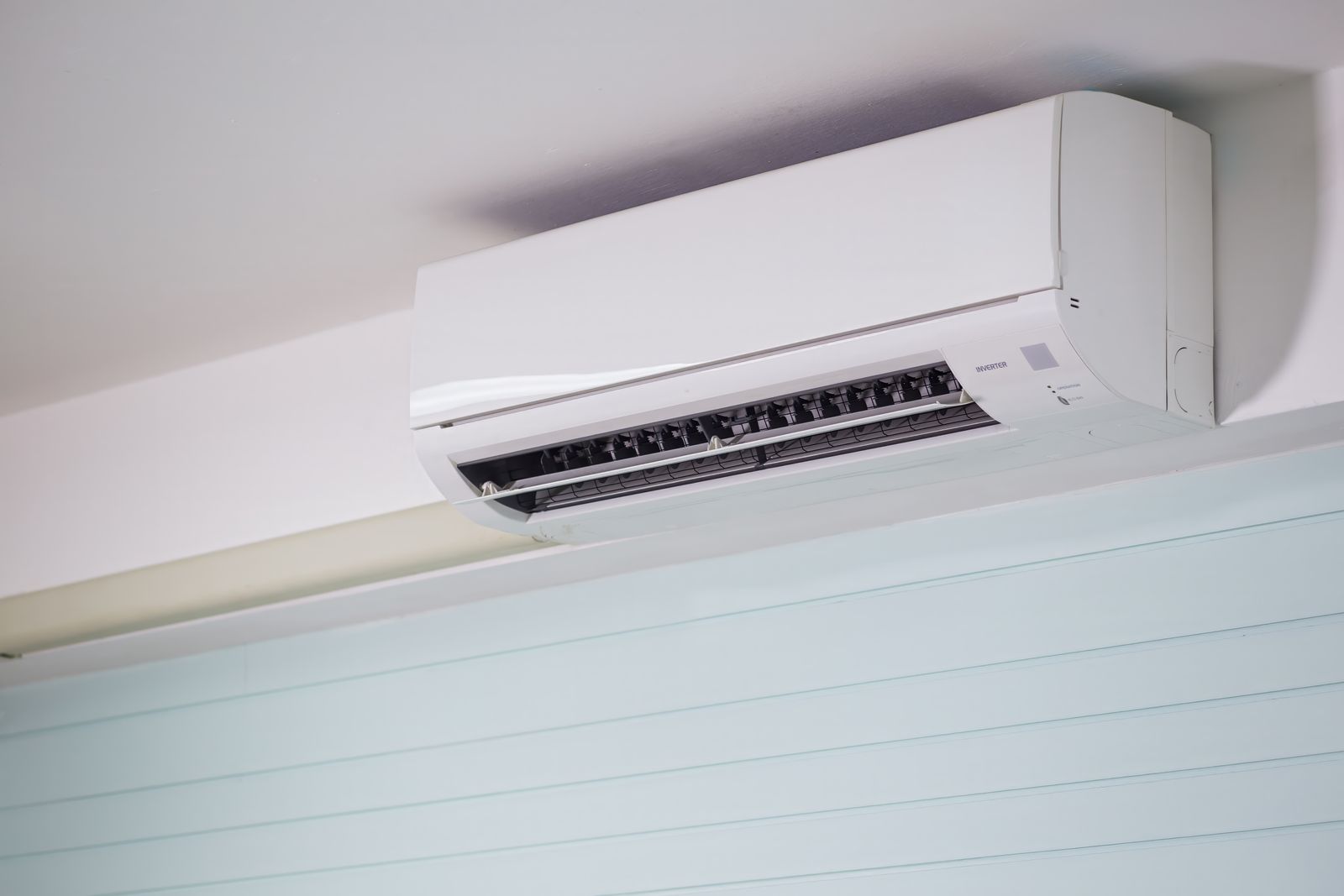
A split system has an indoor head on the wall connected by refrigerant pipes to an outdoor unit. Each head serves the room it’s in. A “multi-head” system runs two to five indoor units off one outdoor unit, which saves wall space outside but means a fault in the outdoor unit takes out every room at once.
A ducted reverse-cycle system has a fan coil unit in the roof space (or under the floor), an outdoor unit, and insulated flexible ducts running to ceiling or floor outlets in each room. Zoning dampers let you switch groups of rooms on and off. Without zoning you pay to condition the whole house every time.
What they cost installed
Prices vary with brand, access and how much electrical work is needed, but these are realistic ranges for a standard single-storey home in metropolitan Melbourne:
| System | Typical installed price |
|---|---|
| Small split (2.5–3.5 kW), back-to-back install | $1,600 – $2,600 |
| Living-room split (6–8 kW) | $2,600 – $4,200 |
| Large split (8–9 kW), longer pipe run | $3,500 – $5,000 |
| Ducted reverse-cycle, 3-bed home (10–14 kW), zoned | $11,000 – $17,000 |
| Ducted reverse-cycle, 4–5 bed home (14–20 kW), zoned | $15,000 – $24,000 |
| Replacing gas ducted with reverse-cycle, re-using some ductwork | Often $1,500 – $4,000 less than a fresh install, if the ducts are in good condition |
Things that push the price up: double-storey homes, tight or tiled roofs, a switchboard that needs upgrading, long pipe runs, concrete to core through, and removing an old gas heater or flue. Government incentives (such as Victorian Energy Upgrades discounts for replacing gas heating) can bring the price down, but they change often, so ask the installer to show any discount as a separate line on the quote.
Running costs
Modern reverse-cycle units deliver three to five units of heat for every unit of electricity they use, which is why they usually cost less to run than gas heating in Victoria. The bigger factor in your bill is how much of the house you heat. A ducted system set to heat a whole 4-bedroom home overnight will cost far more than a single split running in the lounge, no matter how efficient the ducted unit is.
Look for these to keep running costs down:
- Zoning that matches how you use the house (living zone and sleeping zone at minimum).
- Ducts rated at least R1.0, and well-sealed connections. Leaky or crushed ducts in a hot roof waste a lot of energy.
- A sensible size. An oversized unit cycles on and off and handles humidity poorly; an undersized one runs flat out on the coldest nights.
- Ceiling insulation and draught sealing first. They make any heating system cheaper to run.
Questions about your house that decide it
Is there roof or underfloor space?
Ducted needs room for the indoor unit and duct runs. Low-pitch roofs, flat roofs and many townhouses make ducted hard or impossible. Split systems only need a wall and a route for the pipes.
Do you already have gas ducted heating?
If the existing ducts are in good condition and reasonably sized, a reverse-cycle replacement can reuse some of them. Cooling usually needs more airflow than heating, so an installer should check the duct sizes and may recommend replacing the main runs.
How many rooms are used at once?
If the family spends evenings in one open-plan area and the bedrooms are only used for sleeping, two or three splits often give better comfort for less money. If teenagers are in bedrooms, someone works from a study and the living areas are in use too, ducted with zones starts to make sense.
How does the house look from the street and inside?
Split systems put a head on the wall of each room and an outdoor unit for each (or a multi-head unit). Ducted keeps everything out of sight apart from ceiling vents and one outdoor unit. Some owners’ corporations restrict where outdoor units can go.
Looking after it once it’s in
Reverse-cycle systems need very little maintenance, but the little they need makes a real difference to running costs and air quality:
- Clean split-system filters every month or two during heavy use. They slide out from under the front cover and wash in warm water.
- Clean or replace the return-air filter on a ducted system every few months. A clogged filter strains the fan and reduces airflow to every room.
- Keep plants, bins and stored items at least half a metre clear of the outdoor unit.
- Have the system professionally serviced every one to two years: coil cleaning, drain checks and a check of refrigerant performance.
Most manufacturers offer five to seven years of warranty on the unit, sometimes conditional on installation by an authorised dealer. Keep your invoice and the installer’s details with the warranty card.
Who can legally install it in Victoria
Air conditioning installation is regulated work. A properly licensed installation in Victoria involves:
- A plumbing practitioner registered or licensed in the right refrigerated air-conditioning or mechanical services class with the Building and Plumbing Commission (the regulator that replaced the Victorian Building Authority in July 2025).
- A refrigerant handling licence (ARC “ARCtick”).
- Any electrical work done by a licensed electrician working for a Registered Electrical Contractor, licensed through Energy Safe Victoria.
When the job is finished you should receive a plumbing compliance certificate and a Certificate of Electrical Safety. Keep both with your house documents; buyers and insurers can ask for them.
Questions to ask before you sign
- How did you work out the size? (A good installer measures rooms, looks at insulation, windows and orientation, not just floor area.)
- Which rooms are in which zone, and where will the return air grille go?
- What R-value are the ducts, and will any existing ducts be reused?
- Is the switchboard suitable, or will it need work? Is that included?
- Where exactly will the outdoor unit sit, and how loud is it at the boundary?
- Who will issue the compliance certificate and electrical safety certificate?
- What’s the warranty on the unit, and separately on the installation workmanship?
- Is the price fixed, and what would cause a variation?
Get at least two or three quotes, and be wary of any quote given over the phone without someone looking at the roof space and switchboard. Our Before you hire checklists include a printable version of these questions.