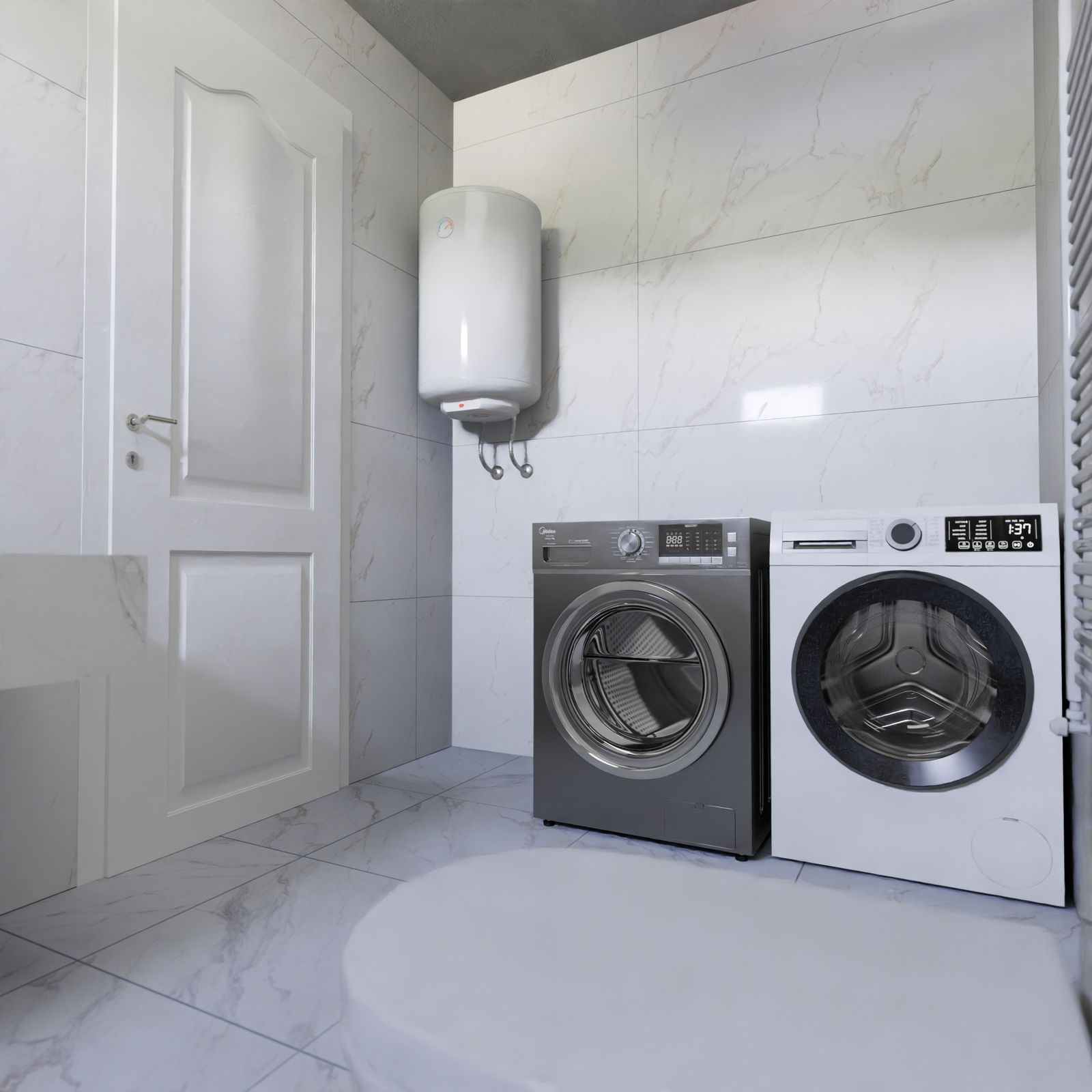
Replacing a hot water system in Victoria: options, prices and what to ask
Hot water systems rarely give much warning. Water around the base of the tank, a pressure relief valve that won’t stop dripping, rusty water from the hot tap, or simply no hot water on a Monday morning are the usual signs. Because most replacements happen in a hurry, it pays to know the options before you need them.
The four main types
Gas storage
A tank of 135–170 litres kept hot by a gas burner. Cheap to buy, but it loses heat all day and relies on the gas connection. Many older Victorian homes have one in the backyard.
Gas continuous flow (instantaneous)
Heats water only when you turn on a tap, so there’s no tank losing heat. Needs an adequate gas supply pipe, which can mean extra work if you’re upgrading from a small storage unit.
Electric storage
Simple and cheap to install, but expensive to run unless it’s on an off-peak tariff or heated with daytime solar. Mostly used in apartments and small households now.
Heat pump
Uses the same refrigeration principle as an air conditioner to pull heat from the air into the water. Typically three to four times more efficient than a standard electric tank. Can be timed to run in the middle of the day when solar is generating. Higher upfront cost, but often the cheapest to run.
Typical installed prices
| Type | Like-for-like replacement |
|---|---|
| Gas storage, 135–170 L | $1,800 – $3,000 |
| Gas continuous flow, 20–26 L/min | $2,200 – $3,800 |
| Electric storage, 250–315 L | $1,600 – $2,800 |
| Heat pump, 220–300 L | $3,500 – $6,500 before any discounts |
Switching from gas to a heat pump usually adds electrical work (a new circuit) and capping of the gas line. Victorian Energy Upgrades discounts and other incentives have applied to heat pump installs, but they change, so check current details with Sustainability Victoria before you rely on a quoted rebate.
Sizing it right
- 1–2 people: 125–170 L storage or a 16–20 L/min continuous flow.
- 3–4 people: 170–270 L storage, or 20–26 L/min continuous flow.
- 5+ people or two bathrooms used at once: 300 L+ storage or 26 L/min+ continuous flow.
Heat pumps recover more slowly than gas, so size them a little more generously if everyone showers in the same hour.
Heat pump tips for Victorian conditions
- Check the model’s rated performance in cold weather. Some units slow down noticeably below about 5°C, which matters in Ballarat, Bendigo and the outer east.
- Put the unit somewhere with airflow and away from bedroom windows. The compressor and fan make a similar noise to an air conditioner’s outdoor unit.
- Set a timer so it heats in the middle of the day if you have solar. Many households cover most of their hot water from rooftop solar this way.
- Ask whether the unit uses a natural refrigerant such as CO2 (R744) or a synthetic one; both work, but it affects performance and servicing.
Repair or replace?
Thermostats, elements, gas valves, anodes and pressure relief valves can usually be replaced. A leaking cylinder can’t be repaired; once the tank itself leaks, it needs replacing. As a rough rule, repairs on a storage system older than about ten years are rarely worth more than a few hundred dollars.
Two cheap maintenance jobs extend a storage tank’s life: easing the pressure relief valve lever every six months (check the manufacturer’s instructions first) and having the sacrificial anode checked and replaced around every five years in hard-water areas.
Legal requirements
Installing or replacing a hot water system is plumbing work. In Victoria the plumber must be licensed in the relevant class with the Building and Plumbing Commission, and a compliance certificate must be issued for this kind of job (any plumbing work worth $750 or more needs one). Gas connections need a licensed gasfitter, and any electrical work needs a licensed electrician who will issue a Certificate of Electrical Safety.
Ask to see the plumber’s licence card. You can check it on the regulator’s practitioner search.
Questions to ask before you agree to a replacement
- Is it the tank that has failed, or a part such as the thermostat, element or relief valve that could be replaced?
- What size do you recommend for my household, and why?
- Is removal and disposal of the old unit included?
- Will the gas pipe or electrical circuit need upgrading?
- Who will provide the compliance certificate, and when?
- What’s the warranty on the cylinder and on the labour?
If your system is more than ten years old and still working, it’s worth getting quotes now, so you choose the replacement rather than taking whatever’s on the van.