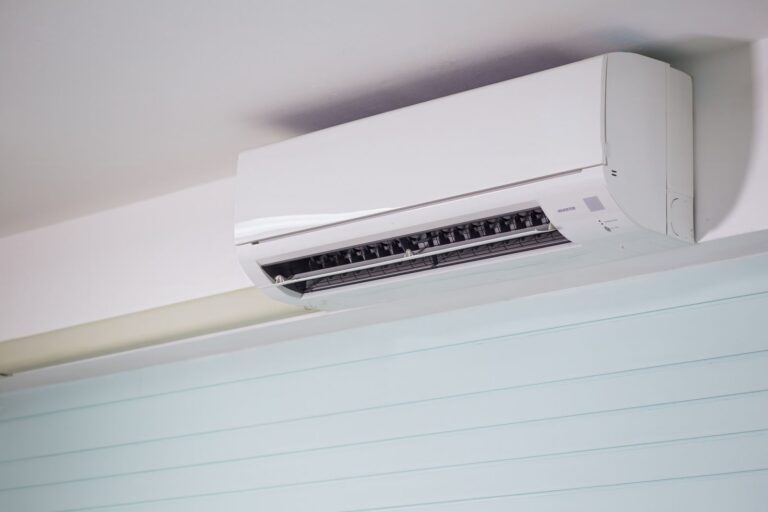
Gas ducted heating vs reverse cycle: what it actually costs to run in Victoria
Gas ducted heating is still the most common whole-house heating in Melbourne’s suburbs. A lot of those systems are now 15 to 25 years old, and owners facing a replacement are asking whether to put in another gas heater or switch to reverse-cycle air conditioning. Here’s how to compare them without relying on a salesperson’s numbers.
Why the comparison has changed
Two things have shifted. First, gas supply charges and usage rates have climbed over the past few years, and the daily supply charge alone can add several hundred dollars a year just to stay connected. Second, heat pumps have improved. A good reverse-cycle unit now delivers somewhere around three to four and a half units of heat for every unit of electricity, even on a cold Melbourne morning.
Gas heaters can’t do that. A modern gas ducted unit is around 80–90% efficient at best, and older units often run in the 60s and 70s once you count heat lost through the ducts and flue.
How to estimate your own running costs
You need three numbers from your bills: your gas usage in megajoules (MJ) for the winter quarter, your gas usage rate (cents per MJ), and your electricity usage rate (cents per kWh).
- Work out the heat you actually used. Take the winter gas usage, subtract a rough amount for hot water and cooking if they’re on gas (your summer bill is a good guide), then multiply by your heater’s efficiency. For an older unit, use 0.7.
- Convert to kWh. 1 kWh = 3.6 MJ, so divide by 3.6.
- Divide by the heat pump’s efficiency. Use 3.5 as a conservative winter figure.
- Multiply by your electricity rate. That’s your estimated electricity cost for the same heat.
A worked example
A family in the south-east uses 18,000 MJ of gas over winter, of which about 3,000 MJ is hot water and cooking. That leaves 15,000 MJ for heating.
- Heat delivered: 15,000 × 0.7 = 10,500 MJ
- In kWh: 10,500 ÷ 3.6 ≈ 2,917 kWh of heat
- Electricity needed: 2,917 ÷ 3.5 ≈ 833 kWh
- At 32c/kWh: about $267 for the winter’s heating
- The gas it replaces: 15,000 MJ at 4c/MJ = about $600, before supply charges
Your rates will differ, and if you only use gas for heating, getting off gas completely also removes the daily supply charge. That’s often the bigger saving.
Comfort differences people notice
Gas ducted heating pushes out very hot air in short bursts. Reverse-cycle tends to run longer with air that feels warm rather than hot. Some people miss the blast of heat at first; most get used to the steadier temperature. Reverse-cycle also cools in summer, which gas can’t do.
Floor vents (common with older gas systems) work well for heating. Ceiling vents are better for cooling. If you’re converting, a good installer will talk you through whether to keep floor outlets, move to ceiling outlets, or do a mix.
Sizing the replacement properly
A common mistake when replacing gas ducted heating is copying the old heater’s rating. Gas heaters are rated in megajoules per hour of gas input, not heat output, and many were oversized in the first place. A reverse-cycle system should be sized from a heat-load calculation that looks at:
- The floor area of the zones you’ll actually heat, not the whole house.
- Ceiling height, insulation in the ceiling and walls, and draught sealing.
- Window area and glazing type, and which way the main living areas face.
- How cold it gets where you live. Ballarat and the Dandenong Ranges need more capacity than bayside Melbourne.
As a very rough cross-check, well-insulated Melbourne homes often need around 100–150 watts of heating per square metre of conditioned space, and older uninsulated homes more. If one quote is twice the capacity of another for the same house, ask both installers to show how they calculated it.
What happens to the outdoor unit in winter
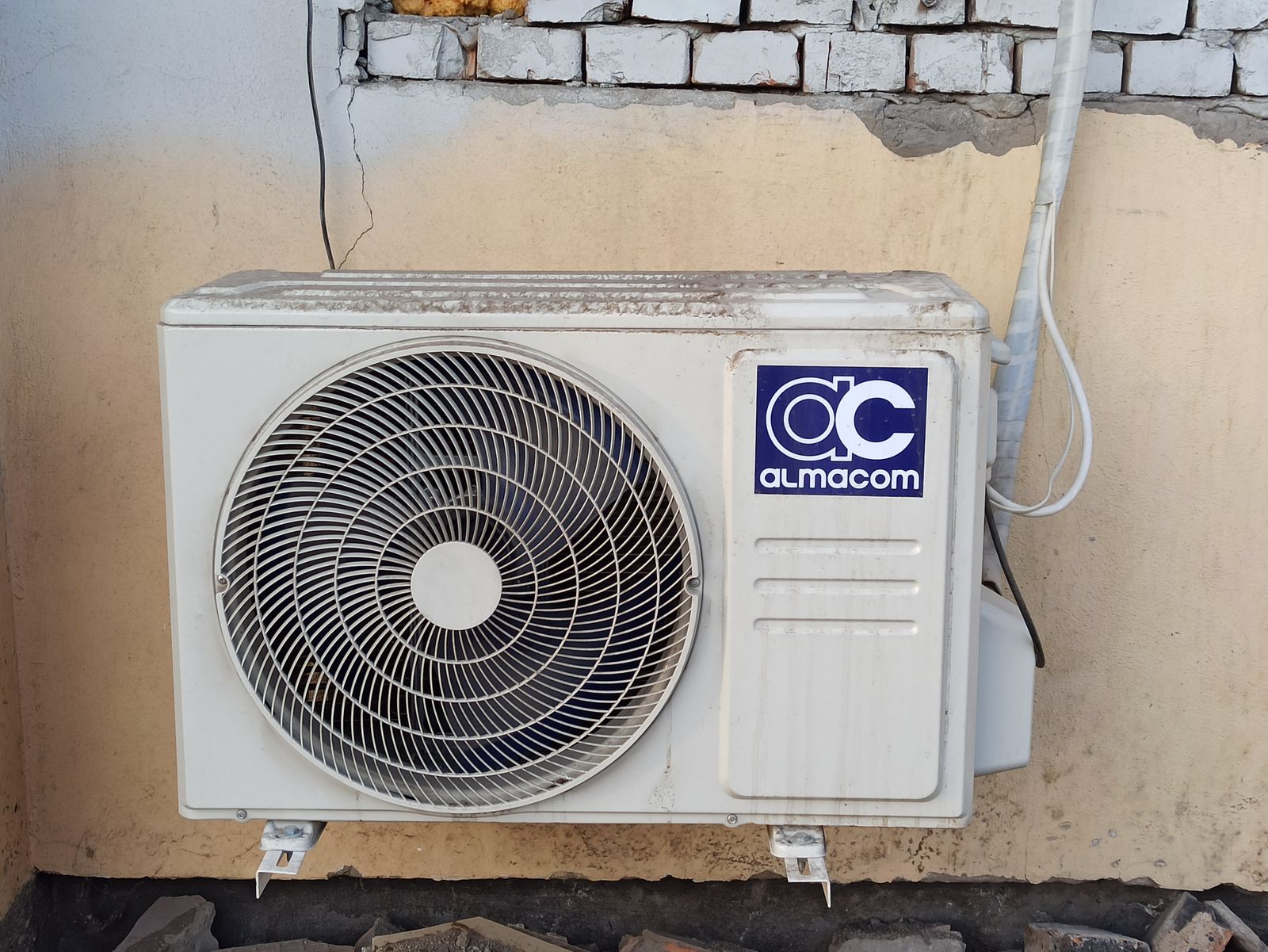
On cold, damp mornings an outdoor heat pump can frost up. The system periodically runs a short defrost cycle, which pauses heating for a few minutes and sometimes produces a puff of steam outside. That’s normal. Units sold for cold climates handle it better and keep more of their rated output at low temperatures. Look at the heating capacity at the lowest temperature in the manufacturer’s data, not just the headline figure.
Place the outdoor unit where melt water can drain away, clear of paths that could ice over, and off the ground on brackets or a slab so it isn’t sitting in puddles.
A note on noise
Larger outdoor units for ducted systems are quieter than they used to be, but they still make noise, and Victorian EPA rules limit noise from residential air conditioners at night in some circumstances. Ask the installer for the unit’s sound power rating and where it will sit relative to your neighbours’ bedrooms.
When keeping gas still makes sense
- Your gas heater is relatively new, has been serviced and passes a carbon monoxide test.
- Your home has no room for an outdoor unit, or your switchboard and supply can’t take the extra load without significant cost.
- You’re planning to sell soon and the system is working fine.
If you keep gas heating, have it serviced at least every two years by a licensed gasfitter. Energy Safe Victoria recommends this for all gas heaters, and the service should include a carbon monoxide spillage test. We cover that in more detail in our guide to gas heater servicing.
What switching usually involves
- A site inspection of the roof space, existing ducts, switchboard and outdoor unit location.
- Decommissioning and capping the gas heater (a licensed gasfitter’s job).
- Installing the new indoor and outdoor units and refrigerant pipework.
- Electrical work, often including a new dedicated circuit.
- Replacing or reusing ductwork and outlets, and setting up zones.
- Compliance certificates for the plumbing and gas work, and a Certificate of Electrical Safety.
Discounts under the Victorian Energy Upgrades program have been available for replacing gas ducted heating with an efficient reverse-cycle system. Eligibility and amounts change, so check the current position on the Sustainability Victoria website and ask your installer to show the discount clearly on the quote.
Questions to ask installers
- What efficiency rating does the unit have in heating mode at low outdoor temperatures?
- Will you reuse my existing ducts? If not, why not?
- Who will disconnect and cap the gas, and is that included?
- What will the new system cost to run for my house, and how did you calculate it?